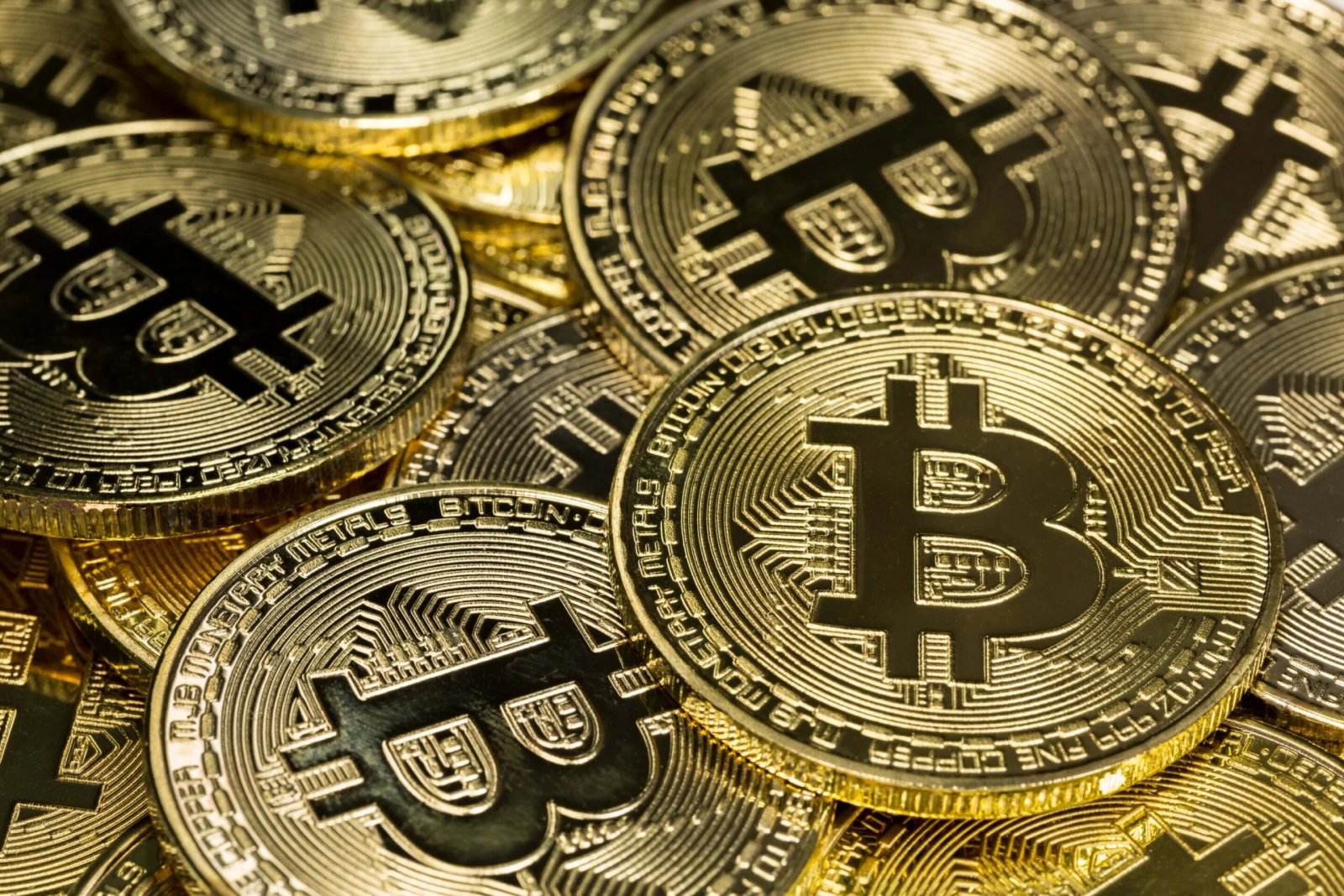
Bitcoin is digital money that you can send to anyone across the world without using a bank. You do not hold it in your hand like a dollar bill, and no government printed it. It lives entirely on a network of computers that keep track of who owns what.
Think of it as a shared notebook that millions of people can see at the same time. When you send money to a friend, thousands of computers check that you actually have the money before adding the transaction to the page. Once it is written down, nobody can change it or rub it out.
What is Bitcoin in simple words?
To understand Bitcoin, think about how email works. When you send a photo in an email, you send a copy. You still keep the photo on your phone. That works fine for pictures, but it would be terrible for cash. You cannot allow people to copy digital money and spend it twice.
For a long time, the only way to stop double spending was to use a middleman. A bank keeps track of your account balance. When you swipe your debit card at a coffee shop for $4, the bank takes $4 out of your account and gives it to the shop. The bank acts as the referee.
In 2008, an unknown person using the name Satoshi Nakamoto built a system that works without a referee. Instead of one bank holding the ledger, every computer in the network keeps a copy. This computer system relies on a technology called Blockchain to group transactions into secure blocks.
When you send cash through this system, the network verifies it automatically. No bank can freeze your account, block your transfer, or charge you high fees to send money across borders. It is pure computer code running on rules everyone agreed to follow.

How does Bitcoin actually work?
Every transaction uses two special pieces of mathematical code: a public key and a private key. Your public key is like your bank account number or your email address. You can share it with anyone so they can send you money.
Your private key is like the password to your account. You must keep it secret from everyone. When you want to send money, your wallet software uses your private key to sign the message. The rest of the network uses your public key to check that the signature is real, without ever seeing your secret key.
Computers called miners do the heavy work of organizing these messages. They compete against each other to solve hard math puzzles. The first computer to solve the puzzle gets to add a new group of transactions to the shared notebook. This process keeps the whole system honest and safe.
As a reward for doing this hard work and paying for the electricity, the network gives the winning miner brand new coins. This is the only way new coins enter the market. If you are curious about keeping these keys safe, you can read about how cash and tokens stay secure in our guide on how digital money works.
Why do people put money into Bitcoin?
People like this digital currency for several different reasons. Some people love the technology, while others treat it like digital gold. Here are the main reasons people buy it today:
- Limited supply: There will only ever be 21 million coins in existence. No government can print more of them when they run out of cash.
- No single boss: No company, country, or individual owns the network. It runs on thousands of computers everywhere.
- Global access: You can send cash to a person in another country in a few minutes. You do not need to wait three business days for a wire transfer to clear.
- Control: You hold your own money directly. As long as you keep your private keys safe, no institution can take it away from you.
Many investors look at the limited supply of 21 million coins as a shield against inflation. When central banks print billions of traditional dollars, each dollar buys a little bit less. Bitcoin follows a set schedule that no politician can change, which makes it very different from paper cash.
What are the real risks you should know about?
It would be a mistake to look only at the good parts. Digital currencies are exciting, but they come with very high risks that every beginner needs to understand before touching their savings.
First, prices swing wildly. The value of one coin can jump by thousands of dollars in a single week, or drop by half in a month. In 2021, the price hit nearly $69,000, but it dropped below $17,000 just one year later. You should never put in cash that you need for rent, groceries, or emergencies next month.
Second, there is no customer service hotline to call if you make a mistake. If you type the wrong address when sending money, that money is gone forever. Nobody can reverse the transaction for you. If you lose your secret keys, no one can reset your password.
Third, bad actors target beginners every day. Scammers make fake websites, promise huge daily returns, or pretend to be customer support agents to steal your keys. You must protect your passwords carefully. Some people choose to use stable assets instead to avoid price swings, which you can learn about in our article Stablecoins Explained Simply for Beginners.
How is Bitcoin different from normal money?
Traditional money is issued by governments. The US Dollar, the Euro, and the Japanese Yen are all fiat currencies. A central bank decides how much money to print each year based on economic goals.
According to Bitcoin data, the code itself controls how fast new coins are created. Every four years, the reward given to miners drops by half. This event is called the halving. It cuts the supply of new coins coming into the market, making it harder to get over time.
Another difference is privacy and transparency. When you open a normal bank account, you must show your ID, address, and social security number. With digital assets, your wallet is just a long string of numbers and letters. Anyone can see that Wallet A sent cash to Wallet B, but nobody knows who owns those wallets unless they tell someone.
Getting started safely as a beginner
If you want to try using this network, start small. Treat your first step like a test run rather than an investment strategy. Here is a safe way to explore without taking big risks:
1. Start with a tiny amount: You do not need to buy a whole coin. You can buy $5 or $10 worth of it. Each coin breaks down into 100 million smaller units called Satoshis.
2. Pick a trusted place to buy: Choose an established platform that has operated for years and has clear security features like two-factor sign-in.
3. Learn before you buy: Read about how wallets work and how to store your keys safely. Never rush because of hype or fear of missing out.
4. Ignore get-rich-quick promises: Anyone who promises that you will double your money quickly is trying to take your cash. Real learning takes time.
Take a moment to decide what you want from this tech. Are you curious about how peer-to-peer networks work, or are you just looking for a new way to store value? Starting with small steps gives you the time to learn without stressing over daily price changes.




No comments:
Post a Comment